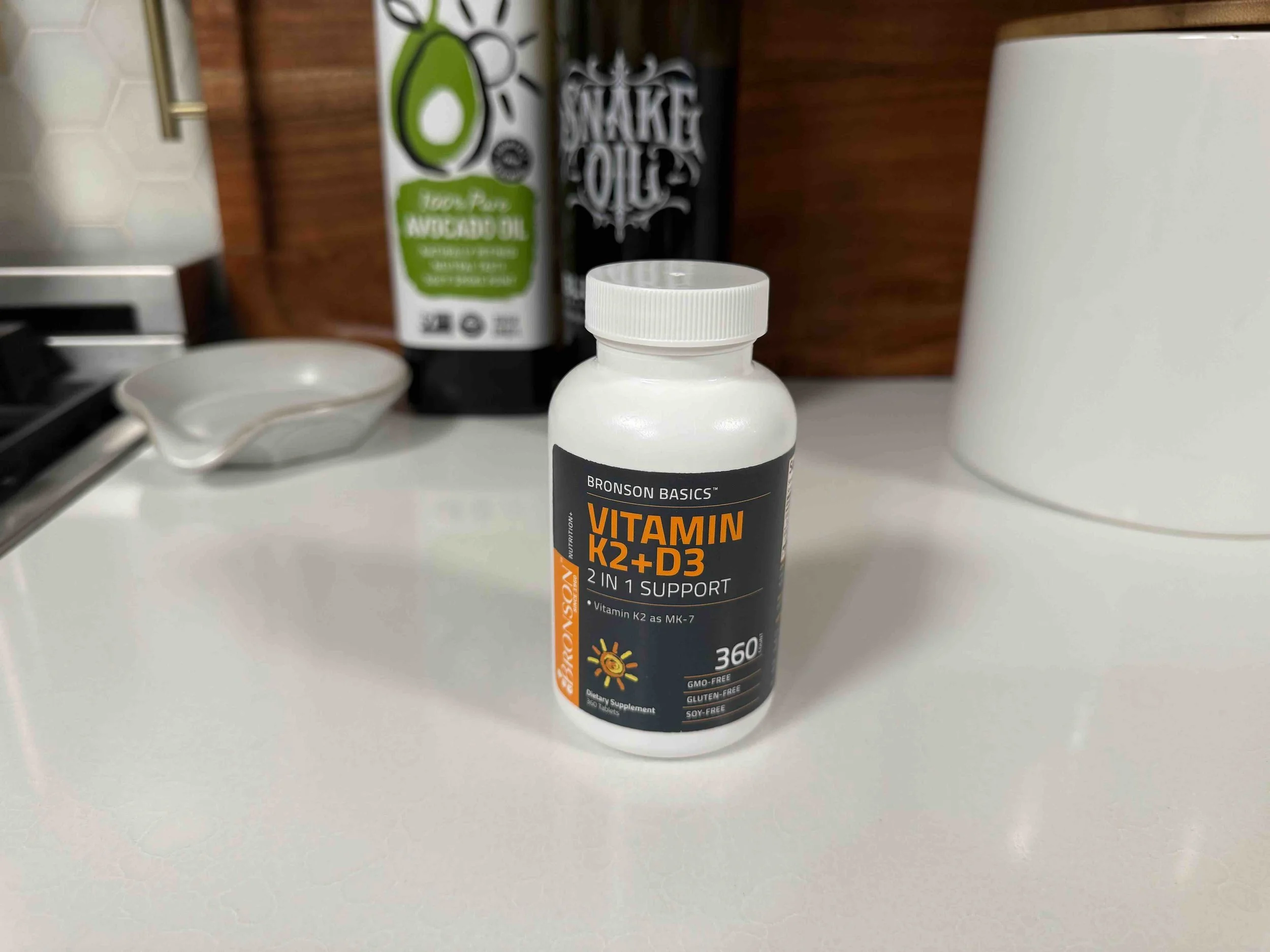
We are heading into the darkest stretch of the year. The winter solstice is around the corner, daylight is shrinking, and for most people that means one thing whether they realize it or not — Vitamin D levels are dropping.
Vitamin D deficiency is incredibly common in winter, especially for people who live above the southern states, work indoors, train early or late, or use sunscreen year-round. The problem is most people have no idea they are deficient until it starts showing up as frequent illness, low energy, poor recovery, or nagging inflammation.
Why Vitamin D Matters More Than Most People Think
Vitamin D is not just a vitamin. It functions more like a hormone and plays a role in hundreds of processes in the body. When levels fall too low, several downstream effects can show up:
Immune Function: Vitamin D supports innate and adaptive immunity, helping produce antimicrobial peptides and regulate immune responses. Low levels are linked to greater risk of respiratory infections.
Inflammation: Vitamin D deficiency correlates with higher inflammatory markers and may contribute to chronic inflammatory conditions.
Muscle Strength: People with low 25-hydroxyvitamin D have higher risk of losing muscle strength over time.
Bone Health: Insufficient vitamin D impairs bone mineralization and increases fracture risk.
Mood & Seasonal Patterns: Low vitamin D status is associated with higher rates of depressive symptoms, more pronounced in winter.
Metabolic Health: Research links low vitamin D with insulin resistance and features of metabolic syndrome.
What Your Blood Work Should Show
Vitamin D is measured as 25-hydroxyvitamin D in blood work, reported in ng/mL.
- Below 20 ng/mL: deficient
- 20–30 ng/mL: insufficient
- 30–50 ng/mL: generally considered adequate
- 50–70 ng/mL: often considered optimal by many clinicians
If you are under 20 or even under 25, you are simply too low and likely feeling some of the effects.
Why Sunlight Still Matters Most — But Often Isn’t Enough
Sunlight on bare skin is the most natural and efficient way to raise vitamin D. The issue in winter is that the sun angle is too low in many regions for meaningful D production, even if you are outside.
That is why winter supplementation makes sense for most people.
Supplementing Intelligently, Not Aggressively
Important guardrails:
- Do not megadose blindly
- Do not chase extremely high levels
- Avoid pushing levels above roughly 70 ng/mL
Excessive vitamin D over time can lead to hypercalcemia — too much calcium in the blood — which can contribute to kidney stones, vascular calcification, nausea, fatigue, and heart rhythm issues. More is not better here.
A moderate daily dose, combined with occasional blood work, is the smart approach.
What About Vitamin K2?
Many vitamin D supplements include vitamin K2, which helps guide calcium into bones rather than soft tissues. It can be a helpful pairing, especially if supplementing D long-term. Many people already get adequate K2 from food — aged cheeses, egg yolks, grass-fed butter, natto, fermented foods — so it is supportive but not mandatory.
The Winter Takeaway
Get your levels checked if you can. Respect sunlight when available. Supplement conservatively if needed. Avoid extremes.
This is one of the simplest seasonal upgrades you can make for your training consistency and overall resilience.
BodyCircuit