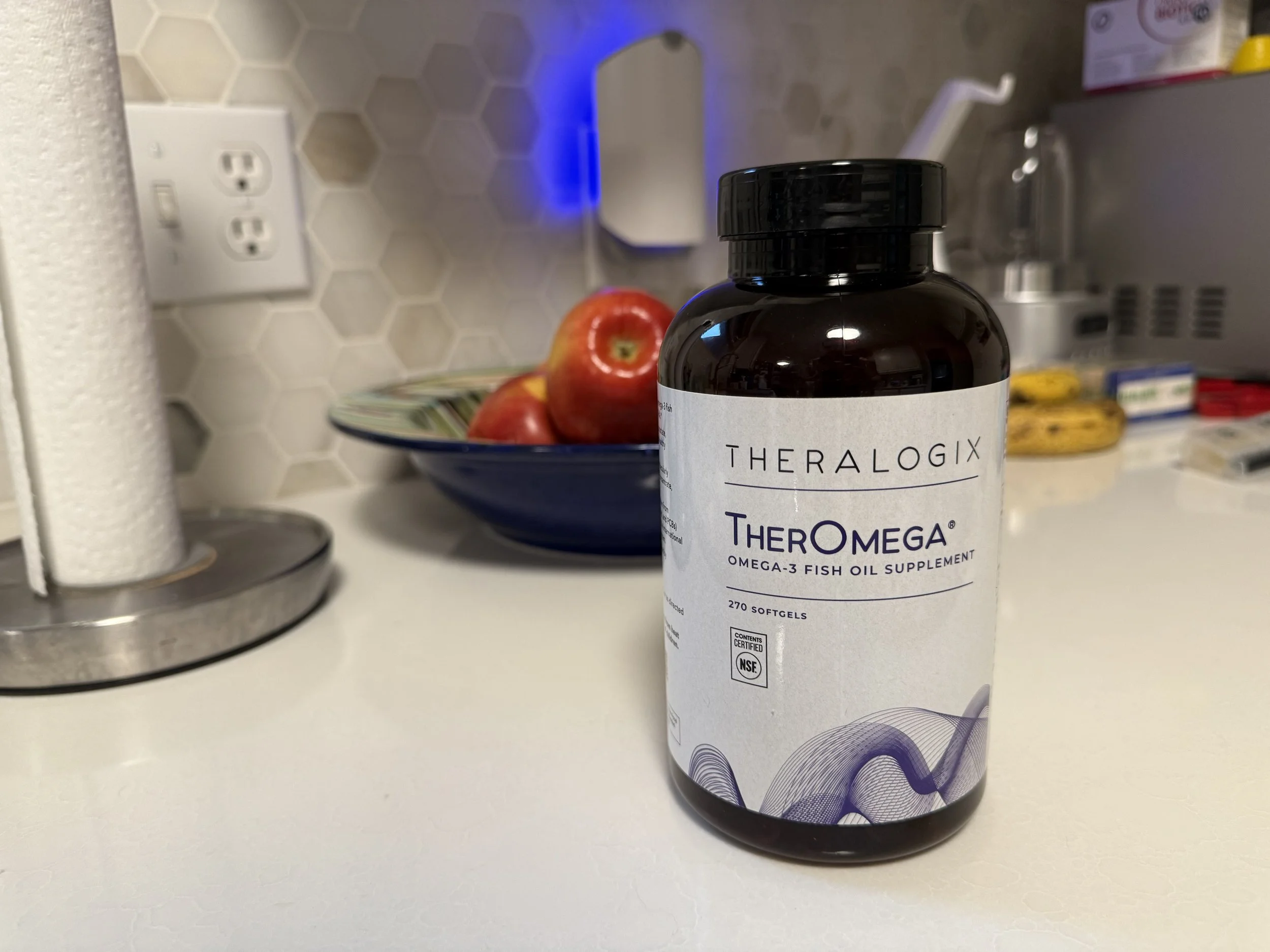
Fish oil and essential fatty acids are confusing topics for a lot of people. Some claim fish oil is a cure-all. Others say supplements do nothing. The truth sits between these extremes.
What Omega-3 and Omega-6 Fats Are
Omega-3 and omega-6 fats are essential fatty acids. The body cannot produce them and must obtain them from food. They support cell membrane health, brain function, hormone signaling, inflammation regulation, cardiovascular function, and recovery.
Omega-3 fats include ALA from plants and EPA and DHA from marine sources. Omega-6 fats come mainly from nuts, seeds, grains, and vegetable oils. Both groups are important. The key is the proportion in which they are consumed.
The Omega-6 to Omega-3 Ratio Problem
Traditional diets contained roughly a 1:1 to 4:1 ratio of omega-6 to omega-3. The modern Western diet often ranges from 10:1 up to 20:1.
Omega-6 derived compounds tend to increase inflammation. Omega-3 derived compounds tend to reduce or resolve it. Inflammation is necessary for immunity and recovery — the problem is chronic low-grade inflammation that can develop when omega-6 intake consistently overwhelms omega-3 intake.
Higher ratios are associated with increased cardiovascular risk, reduced metabolic health, slower recovery from training, and higher risk of inflammatory disorders.
Key Inflammation Biomarkers to Watch
- hs-CRP: Ideal under 1.0 mg/L. One of the most useful markers for chronic low-grade inflammation.
- Triglycerides: High triglycerides frequently correlate with low omega-3 intake. EPA and DHA reduce triglycerides.
- Omega-3 Index: Measures EPA and DHA in red blood cell membranes. Below 4% suggests low status; 8–12% is considered optimal.
- AA to EPA Ratio: A high ratio suggests an inflammatory tilt and low omega-3 intake.
What Fish Oil Actually Does
The most consistent benefits: lower triglycerides, support for cardiovascular health, improved inflammation resolution, improved cell membrane fluidity, and potential improvements in muscle recovery. These effects are real but generally modest.
Why Omega-6 Is Not the Villain
Omega-6 gets unfairly criticized online — likely fueling the seed oil panic. Nuts and seeds, which are high in omega-6, are among the healthiest foods available. The issue is imbalance, not omega-6 itself. Extreme reductions in omega-6 do not consistently improve health. A more effective approach is to increase omega-3 intake and reduce reliance on ultra-processed foods.
How to Improve Your Balance
- Increase omega-3 rich foods: Aim for 2–3 servings of salmon, sardines, mackerel, or trout each week.
- Supplement if needed: If you don’t eat fish, consider algae oil or a high-quality fish oil. Look for third-party tested products with clear EPA and DHA amounts. Steer toward EPA/DHA ratios in the 4:3 to 3:2 range.
- Reduce ultra-processed foods: Restaurant frying oils, packaged snacks, and baked goods are significant contributors to high omega-6 intake.
- Choose whole food fats: Olive oil, avocados, nuts, and seeds help maintain a healthier fat balance.
- Track your biomarkers: Check hs-CRP, triglycerides, omega-3 index, and AA to EPA ratio to see if your balance is improving.
Balance is the target, not elimination.
This post is for informational purposes only and is not medical advice. Always consult your healthcare provider before making changes to your diet, supplements, or health routine.
BodyCircuit