
When it comes to nutrition and fitness, the most important thing is to keep it simple and master the basics. I’ve talked about this extensively in the past, but it’s worth repeating.
Step 1: Getting the Basics Right
Before anything else, these are the fundamentals that drive real results:
- Resistance Training — at least twice per week
- Protein Intake — 0.8 to 1g per pound of target body weight
- Calorie Deficit — even a slight one makes a difference
- Steps — work your way up to 10,000 a day
- Creatine — at least 3g/day for women, 5g/day for men
Get those basics in place and you give yourself the key ingredients to enable a real physical transformation.
Next Level: Nutrient Timing
Once your foundation is solid, small refinements in when you eat can lead to better performance, faster recovery, and improved lean mass gains.
One of the more interesting ideas in this space is nutrient timing: the concept that when you eat certain macronutrients — not just what you eat — may influence your training results.
Is it proven?
The research is still evolving. While some studies and experts like Dr. Layne Norton suggest nutrient timing can make a difference, especially for intermediate and advanced lifters, it’s not a universally guaranteed performance booster. That said, it’s worth experimenting with if you’ve got your basics locked in.
Who it’s for:
If you’re a beginner, focus on the big two: actually training, and hitting your daily protein target. Nutrient timing is a bonus, not a priority right now.
If you’re intermediate or advanced, dialing in when you eat certain macros can give you that extra edge — especially if you’re training hard and want to maximize muscle gain or recovery.
Training Days: Fueling for Output and Recovery
Pre-Workout (1–2 hours before): Moderate carbs and lean protein. Avoid high fat and fiber close to training — they slow digestion and can reduce workout quality.
Post-Workout (within 30–90 minutes): Protein and carbs to replenish glycogen and kickstart recovery. Fat is fine later in the day. Keep the focus on fast-absorbing protein and carbs in this window.
Dr. Layne Norton’s take: Norton (PhD in nutritional sciences) recommends a protein and carb meal 1–2 hours before and after your workout to support muscle protein synthesis and recovery. For intermediate and advanced lifters, this kind of consistency around training is where timing starts to earn its keep.
Rest Days: Recovery, Hormones & Sleep Support
Morning: Fat, fiber, and protein to stay full and stabilize energy.
Evening: Carbs may be more beneficial here. There’s decent evidence that carbs eaten later in the day can support serotonin production, lower nighttime cortisol, and help with sleep quality. This isn’t a hard rule, but it’s worth experimenting with — especially if recovery or sleep is a weak point for you.
Protein Timing
Distribute protein across 3–5 meals per day (roughly 25–35g each) to keep muscle protein synthesis elevated throughout the day. Carbs are generally most effective when timed closer to your training session.
TL;DR
| If You’re… | Focus On… |
|---|---|
| Beginner | Train consistently and hit your daily protein goal |
| Intermediate or advanced | Time carbs and protein around workouts for added benefit |
| On a rest day | Fat and fiber in the morning, carbs later for better sleep |
| Everyone | Distribute protein evenly across 3–5 meals per day |
Tried nutrient timing already? I’d love to hear what you’ve noticed — reply to the newsletter or reach out directly.
Beyond the Gym
How Is AI Changing Your Business?
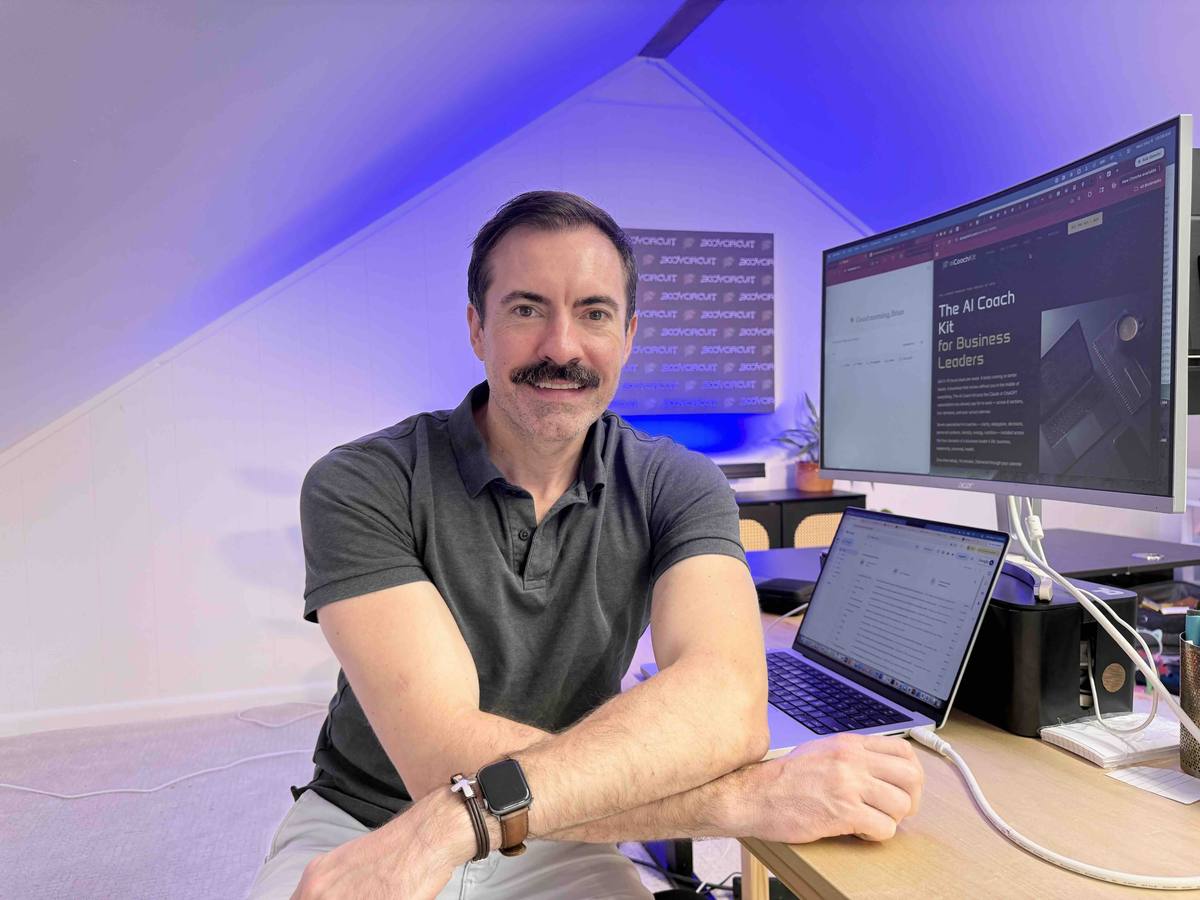
I use AI extensively in my own business. My coaching app, client workflows, content, and operations all run on AI-powered systems I've built and refined over time. It's not a side experiment. It's how everything runs.
On top of my fitness and nutrition coaching, I now consult business leaders on how to identify the right AI platforms and implement them in a way that actually sticks — so they can get more done, get time back, and focus on what moves the needle.
I work especially well with people who are brand new to AI and don't know where to start, as well as leaders who are already using it and want to go deeper. If you'd like to explore what that looks like for your business, I'm offering a complimentary call.
Book a CallBodyCircuit