If you’ve spent any time in fitness, biohacking, or longevity circles recently, you’ve almost certainly heard the word “peptides.” They’re being discussed in everything from elite sports recovery rooms to anti-aging clinics to Reddit threads at 2am. But what actually are they — and why is there so much excitement?
This guide is designed to give you a clear, honest, science-grounded foundation. Whether you’re completely new to the topic or have been casually researching for a while, by the end you’ll understand what peptides are, how they work, who’s using them and why, and how to think about goal-specific “stacks” — which we break down in detail in the articles linked at the bottom of this page.
What Is a Peptide?
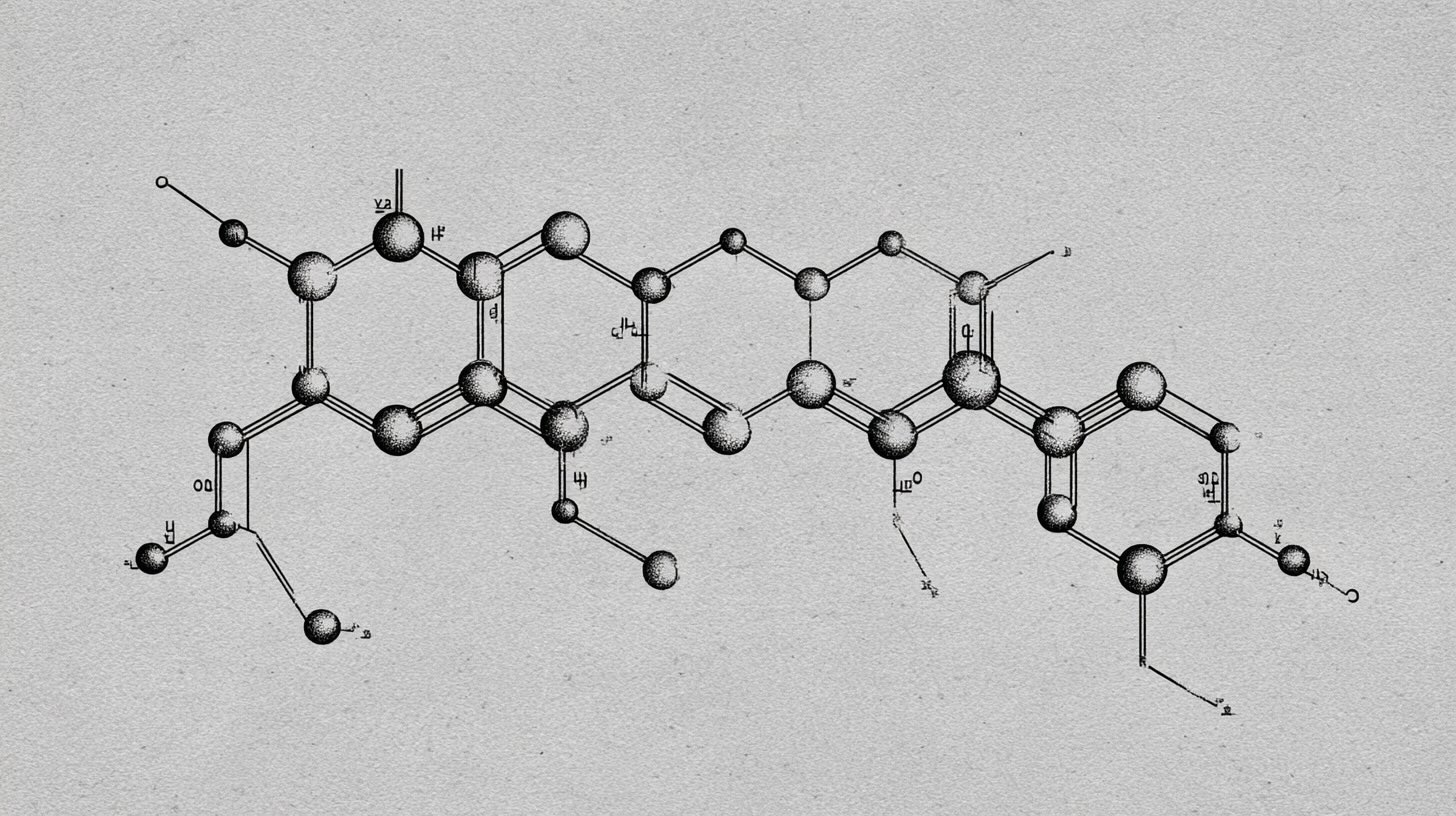
At the most fundamental level, a peptide is a short chain of amino acids — the same building blocks that make up proteins. The distinction is size: proteins are typically long, complex chains of hundreds or thousands of amino acids, while peptides are shorter, generally defined as containing 2 to 50 amino acids linked together.
Your body already produces hundreds of peptides naturally. Hormones like insulin, oxytocin, and glucagon are peptides. So are many of the signaling molecules your cells use to communicate with one another. In this sense, peptides aren’t foreign or exotic — they are a core part of your biological machinery.
The peptides discussed in this series are either identical to, or closely derived from, naturally occurring sequences found in the human body (or in some cases, in other mammals). Researchers have isolated, synthesized, and studied them to better understand — and in some cases, support — the processes they govern.
How Do Peptides Work?
Peptides function primarily as signaling molecules. Rather than doing a job directly (the way a fuel like glucose does), most peptides work by telling other cells or systems what to do. They bind to specific receptors on the surface of target cells and trigger a downstream cascade of biological activity.
Think of it like a key and a lock. Each peptide has a shape that fits a particular receptor. When the right peptide binds to the right receptor, it unlocks a specific cellular response — stimulating growth hormone release, accelerating tissue repair, modulating inflammation, promoting collagen synthesis, or dozens of other effects depending on the peptide in question.
This specificity is one of the reasons researchers and clinicians find peptides so interesting. A well-targeted peptide can, in theory, influence a very particular biological process without the broad, systemic side effects that come with less targeted interventions.
Why Has Interest Grown So Much?
A few factors have driven the surge in interest over the past several years.
Better synthesis technology. Producing high-purity synthetic peptides has become significantly more accessible and affordable. What once required pharmaceutical-grade manufacturing is now achievable at research-grade scale from a wider range of labs.
The GLP-1 effect. The mainstream success of GLP-1 receptor agonists like semaglutide (Ozempic/Wegovy) and tirzepatide (Mounjaro) — both of which are peptides — brought enormous public attention to the category. Many people began asking: “If one peptide can do that, what else is out there?”
Growing body of research. While many peptides discussed in this series are still in research phases rather than FDA-approved clinical use, the scientific literature has grown substantially. Animal studies and early human data have produced compelling — if still preliminary — findings on a range of applications from muscle repair to neuroprotection.
Biohacker and longevity culture. Influential figures in the performance and longevity space have brought peptide protocols into mainstream conversation, driving curiosity among athletes, coaches, and health-conscious individuals.
Who Uses Peptides?
The population interested in peptides is broad and growing. Generally speaking, users fall into a few categories:
Athletes and performance-focused individuals are drawn primarily to peptides that support muscle growth, accelerate injury recovery, and improve sleep and recovery quality. The ability to potentially shorten time away from training after an injury is a particularly compelling use case.
Biohackers and longevity enthusiasts are interested in peptides that appear to influence aging mechanisms — telomere support, cellular regeneration, immune modulation, and hormonal optimization. This group tends to take a protocol-heavy, data-driven approach.
People dealing with chronic injuries or slow-healing tissue have found their way to peptides like BPC-157 and TB-500, which have generated significant anecdotal support for tendon, ligament, and joint healing — areas where conventional medicine has limited tools.
Those focused on aesthetics and skin health are exploring peptides that stimulate collagen production, modulate inflammation, and support skin structure — both through injectable and topical routes.
Individuals seeking cognitive or mood support are researching peptides with neuroprotective or anxiolytic properties, particularly those with origins in neuroscience research.
What Are Peptide Stacks?
A “stack” simply refers to combining two or more peptides — often alongside other compounds or lifestyle interventions — to address a specific goal more comprehensively than any single peptide could alone. Different peptides operate through different mechanisms, so a well-designed stack can address a goal from multiple biological angles simultaneously.
For example, someone focused on injury recovery might use BPC-157 (which promotes local tissue repair and angiogenesis) alongside TB-500 (which works systemically on actin regulation and cell migration) — because together, they address healing through complementary pathways.
You’ll notice as you read through this series that several peptides appear across multiple stacks. BPC-157, GHK-Cu, and Ipamorelin, for instance, show up in different contexts because their mechanisms are relevant to more than one goal. That overlap is normal and, in many cases, strategically useful.
How Are Peptides Administered?
Administration method varies by peptide and goal. The most common routes are:
Subcutaneous injection — the most direct and bioavailable method for most research peptides. Injections are typically administered into the fatty tissue just under the skin, similar to how insulin is injected. Needles are very small (insulin-gauge) and the process, once learned, is straightforward.
Intranasal (nasal spray) — some peptides, particularly those targeting the brain and nervous system (like Semax and Selank), are available and commonly used as nasal sprays. This route allows compounds to bypass the blood-brain barrier more readily.
Oral — a limited number of peptides can be taken orally, though most are degraded by digestive enzymes before reaching systemic circulation. Exceptions exist (MK-677, for example, is an oral secretagogue), but oral bioavailability is generally lower for traditional peptides.
Topical — for skin-targeted peptides like GHK-Cu, Argireline, and Snap-8, topical serums and creams are a common delivery route. These are widely available in cosmetic formulations.
The Regulatory Landscape
It’s important to understand where peptides stand legally and medically — and this is an area where the landscape is actively changing.
Historically, many of the peptides covered in this series have been categorized as research chemicals, sold by vendors as compounds “for research purposes only.” For research-use-only compounds sold outside a clinical context, purchasing has generally been legal in the United States, but use on oneself falls outside their approved scope. However, certain peptides are accessible through a legally distinct pathway: when prescribed by a licensed physician and compounded by a licensed pharmacy, these compounds are dispensed as regulated pharmaceuticals — not research chemicals.
Important 2026 update: On February 27, 2026, HHS Secretary Robert F. Kennedy Jr. announced that approximately 14 of the 19 peptides placed on the FDA’s Category 2 restricted list in 2023 are expected to be reclassified to Category 1 — restoring the legal pathway for licensed compounding pharmacies to prepare them with a physician’s prescription. Peptides expected to return to Category 1 include BPC-157, Thymosin Alpha-1, TB-500, CJC-1295, Ipamorelin, AOD-9604, GHK-Cu, Selank, Semax, KPV, and MOTS-c, among others. The FDA’s formal updated list has not yet been published as of this writing. When reclassification is formalized, these compounds will be accessible through licensed compounding pharmacies with a valid physician’s prescription — a regulated pathway that is meaningfully different from gray-market research vendors. BodyCircuit will update this series as official FDA guidance is published.
Some peptides are already FDA-approved — semaglutide, tesamorelin (approved for HIV-associated lipodystrophy), and PT-141 (approved for hypoactive sexual desire disorder in women) among them. A small number of peptides remain on the restricted list with no current reclassification pathway. Each stack article in this series notes the specific regulatory status of the compounds it covers.
It’s also worth noting that some peptides have been banned by the World Anti-Doping Agency (WADA) for competitive athletes. If you compete in tested sports, it’s essential to verify the status of any compound before use.
For those seeking access through a properly regulated pathway, physician-supervised compounding pharmacy programs offer a compliant alternative to unregulated research vendors — with quality-controlled compounds, licensed prescriber oversight, and pharmaceutical-grade standards.
A Note on Quality and Consumer Protection
For readers who encounter peptide products in the research market, the following is offered as consumer education. Quality varies enormously across vendors, and understanding what to look for helps protect you.
Third-party testing. Reputable vendors publish certificates of analysis (CoAs) from independent labs showing purity levels. Look for 98%+ purity on most research-grade peptides.
Proper storage and handling. Most lyophilized (freeze-dried) peptides should be stored at -20°C until reconstituted, then kept refrigerated and used within a defined window. Vendors who provide clear handling instructions are generally more credible.
Transparent labeling. The compound name, molecular weight, lot number, and testing date should all be visible.
The safest and most quality-assured path to peptide access — when available — is through a licensed physician and a PCAB-accredited compounding pharmacy, where purity, dosing, and sterility are subject to pharmaceutical-grade oversight. Research vendor pricing, where referenced in this series, reflects the gray-market landscape as of publication and is included for general awareness. Physician-compounded versions through licensed pharmacies are priced differently and include clinical oversight, quality testing, and prescription fulfillment.
How to Use This Series
The articles in this series are organized by goal. Each one covers a specific stack — the peptides most commonly used for that objective, how they’re typically combined, approximate pricing context, and what the evidence and user reports suggest.
You don’t need to read them in order. Jump to whatever goal is most relevant to you, then explore from there. Many people find that two or three stacks overlap with their needs — and that’s exactly what this series is designed to help you navigate.
Explore the BodyCircuit Peptide Stack Series
- Muscle Building & Body Composition — CJC-1295, Ipamorelin, IGF-1 LR3, BPC-157, MK-677
- Injury Healing — Ligaments, Tendons & Connective Tissue — BPC-157, TB-500, GHK-Cu, KPV
- Skin, Hair & Anti-Aging — GHK-Cu, Epithalon, Argireline, Snap-8, BPC-157
- Energy, Focus & Performance — Semax, Selank, MOTS-c
- Fat Loss & Metabolic Health — AOD-9604, Tesamorelin, 5-Amino-1MQ, MOTS-c
- Sleep & Recovery — Ipamorelin, DSIP, MK-677
- Hormonal Support & Longevity — Epithalon, Thymosin Alpha-1, PT-141, Kisspeptin
- Immune Support — Thymosin Alpha-1, BPC-157
- Sexual Health & Libido — PT-141, Kisspeptin, Gonadorelin
- Cognitive Function & Mood — Semax, Selank, Cerebrolysin
Health Disclaimer
BodyCircuit’s content is for informational and educational purposes only. It is not a substitute for professional medical advice, diagnosis, or treatment. Always consult a licensed physician before beginning any peptide or wellness protocol. The regulatory status of peptides discussed in this series is evolving — some compounds are FDA-approved, some are expected to return to legal compounding status through physician prescription, and others remain restricted to research use only. BodyCircuit will update this series as regulatory guidance changes. Nothing in this series constitutes an endorsement, recommendation, or offer to sell any compound.
BodyCircuit